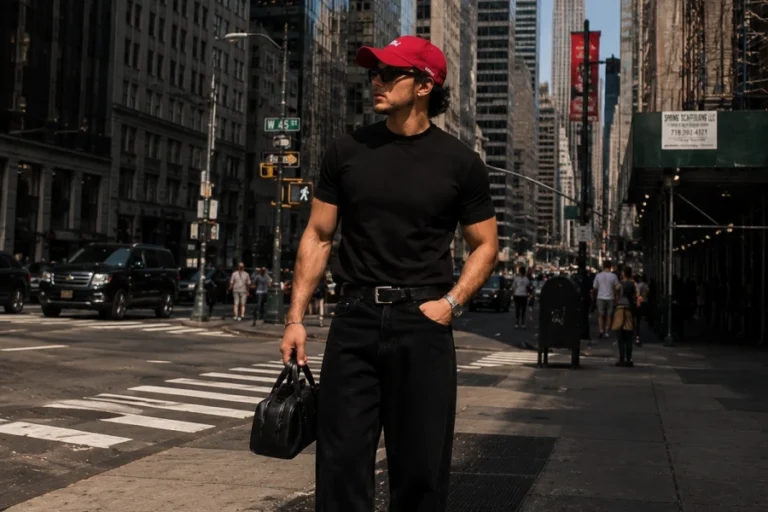
Men’s Outfit Formula System planning gives outfits a repeatable structure. Without one, every morning becomes a fresh negotiation. You choose a shirt, then wonder about trousers, shoes, belt, jacket, color, texture, and context. Even men with good clothes can feel stuck because the pieces do not automatically become outfits. A formula gives the process order. It identifies the anchor, supporting piece, shoes, and final adjustment. That structure makes dressing faster without making style boring. Strong formulas reduce decision fatigue. They also make it easier to adapt one look across work, weekends, travel, and evening plans.
Why Men’s Outfit Formula System Starts With Structure
Structure makes style easier to repeat. A reliable formula begins with an anchor piece, then adds a supporting piece, shoe choice, and finishing detail. This creates a base you can reuse without rebuilding from zero. A strong set of men’s outfit formulas helps you understand why certain combinations work. Maybe the jacket creates formality. Maybe the shoes set the tone. Maybe the knit bridges color. Once the structure is visible, you can adjust with more confidence. The outfit stops feeling like a puzzle.
Using Color and Texture to Connect the Pieces
Color and texture make formulas feel finished. A navy overshirt, white tee, olive trousers, and brown suede shoes can work because the tones and textures agree. A sharp blazer, smooth shirt, wool trousers, and polished loafers create a different message. A practical texture and color system keeps these choices connected. Texture can add depth when color stays quiet. Color can create a bridge when materials feel separate. The goal is not decoration. It is visual logic. Men’s Outfit Formula System thinking helps every piece explain why it belongs.
Men’s Outfit Formula System for Context Shifts
Most men need outfits that flex. A smart casual base may work for dinner but need sharper shoes for a client meeting. A weekend look may become travel-ready with a better layer and cleaner bag. A set of business casual formulas helps you adjust without starting over. Context changes the dials, not the whole machine. Fabric weight, shoe polish, outerwear, and accessories can move an outfit up or down. This makes formulas more useful than isolated inspiration. They adapt to life instead of staying trapped in photos.
Accessories as the Final Hierarchy
Accessories should finish an outfit, not compete with it. Watches, belts, bags, hats, glasses, and jewelry all carry visual weight. A clear accessory hierarchy prevents too many small details from fighting for attention. Choose one main finishing signal. Let the rest support it. Leather should relate to shoes when possible. Metals should feel consistent. Bags should match the formality of the outfit. Restraint often looks more confident than excess. The right accessory makes the formula feel intentional instead of decorated.
Men’s Outfit Formula System for Repairing Weak Looks
Weak outfits usually fail for a reason. The proportions may feel off. The colors may not bridge. The shoes may be too casual. The textures may flatten each other. A reliable outfit troubleshooting process helps diagnose the problem before you change everything. Start with the anchor. Then check fit, visual weight, color relationship, shoe choice, and accessories. Repair one issue at a time. Men’s Outfit Formula System habits turn mistakes into reusable lessons. The goal is not perfection. It is knowing how to recover quickly.
Turning Men’s Outfit Formula System Into a Weekly Rotation
The best formulas become easier with repetition. Save combinations that work. Photograph reliable looks. Use AI style feedback as a second check when a formula feels close but not finished. Build a small bank of clothing combinations for recurring situations. Then rotate them with small changes in color, texture, shoes, or accessories. This keeps outfits fresh without adding constant complexity. A weekly system creates confidence because you are not improvising every day. You are improving a set of proven moves.