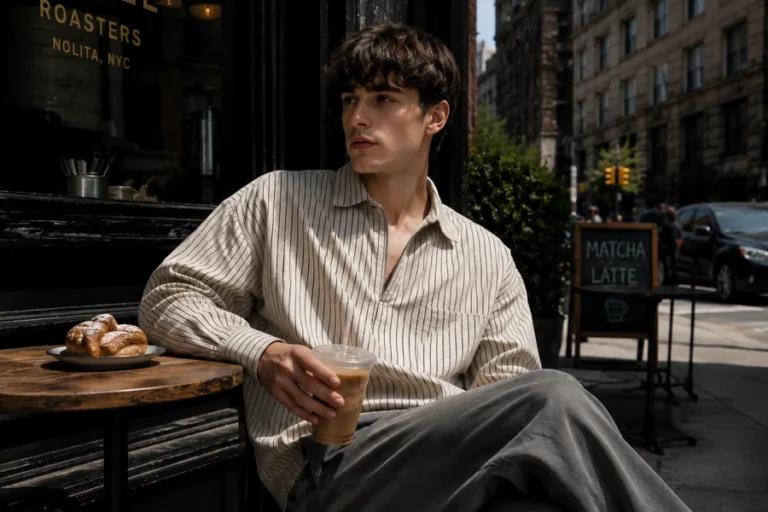
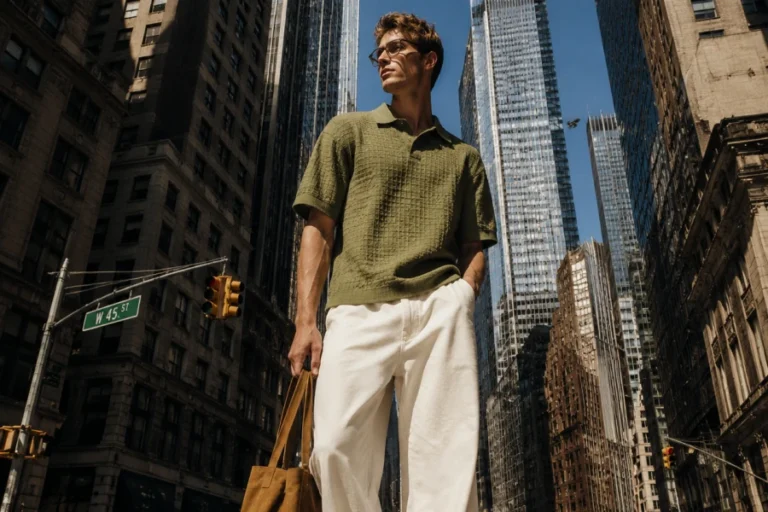
Men’s Color Style is the difference between looking technically correct and looking recognizably yourself. Many men learn fit, quality, and basic neutrals first. That foundation matters, but it can leave outfits feeling anonymous. Navy, gray, white, and black are safe, yet safety alone rarely creates identity. Color gives clothing a mood, a point of view, and a memory. The challenge is using it without looking loud, random, or costume-like. A practical system helps color feel intentional. It turns taste into repeatable choices. When your palette has structure, your wardrobe starts saying something specific.
Why Men’s Color Style Starts With Personality
Color should match more than skin tone or trend cycles. It should also match energy, lifestyle, and the way you want to be perceived. A man with a quiet, architectural wardrobe may use color differently from one with a rugged, outdoors-influenced style. A strong color personality gives those decisions a starting point. You stop asking whether a shade is fashionable and start asking whether it belongs to your visual language. That shift makes personal style for men easier to refine. Color becomes a signal, not decoration.
Building a Palette That Works Beyond One Outfit
A single good color combination is useful. A working palette is better. Your wardrobe needs core neutrals, accent shades, shirt colors, knitwear colors, leather tones, and metal choices that agree with each other. A signature color palette gives your closet continuity. It also makes shopping easier because every new piece must earn its place inside the system. Men’s wardrobe colors should not fight for attention. They should create a recognizable rhythm across workdays, weekends, evenings, and travel. Consistency makes style feel deliberate.
Men’s Color Style Without Trying Too Hard
The most confident use of color often feels restrained. One accent can be stronger than five competing statements. A muted green knit can say more than a bright shirt worn without context. Repeating small color cues across an outfit makes the result feel natural. A strong outfit color strategy balances bold and quiet choices. If the jacket has personality, the trousers may need calm. If the shirt is expressive, the shoes may need restraint. Men’s Color Style works when every part has a role.
Connecting Color to Style Archetype
Color looks different inside different style directions. Classic style may use navy, white, burgundy, camel, and polished leather. Modern minimalism may favor black, stone, charcoal, and controlled contrast. Rugged heritage may lean into olive, denim, tobacco, cream, and textured brown. Executive style may use sharper neutrals with measured accents. A clear style archetype helps color choices stop feeling random. The shade matters, but the context matters more. Masculine style becomes more expressive when color supports the larger identity.
Men’s Color Style Across Real Occasions
A useful palette must survive real life. Office outfits, casual dinners, weekends, warm weather, and cold weather all place different demands on color. One palette may need lighter shirts for summer, deeper knits for winter, and sharper contrast for evening. Color coordination men can actually use starts with repeatable moves. Build reliable combinations first. Then adjust saturation, contrast, and texture by occasion. This keeps your outfits expressive without becoming unpredictable. The same man should feel visible across every setting.
Refining Men’s Color Style Into a Personal System
Refinement happens through review. Save photos of outfits that feel right. Notice which colors earn compliments and which ones feel forced. Remove pieces that never connect to the rest of the closet. Use polished menswear thinking to keep color disciplined. Your palette should evolve, but it should not restart every season. Trends can inspire you, but they should not decide for you. Men’s Color Style becomes powerful when it gives you freedom inside boundaries. That is how color starts looking less like an experiment and more like identity.