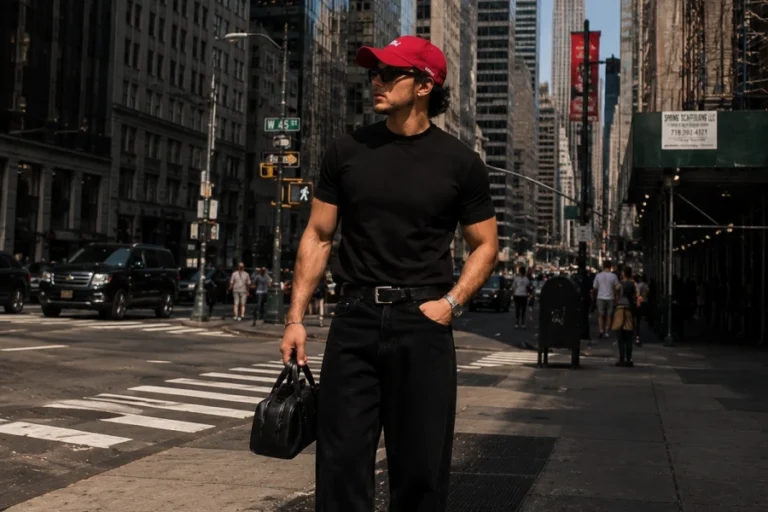
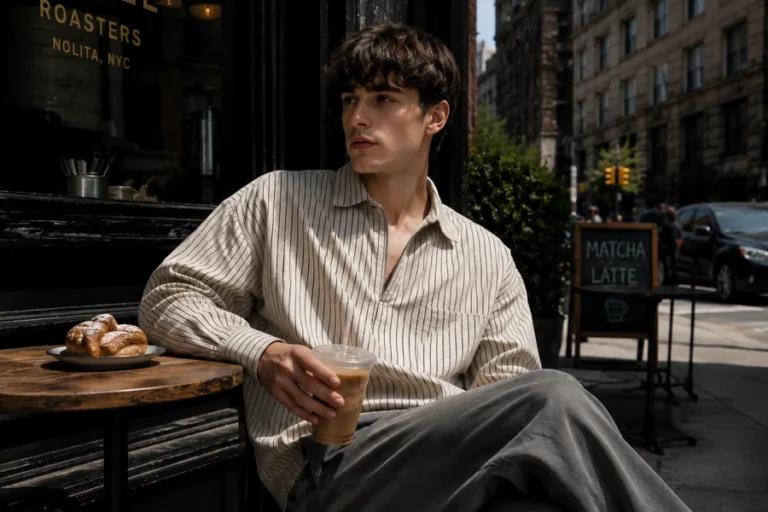
Men’s Style Archetype work helps you stop dressing like a collection of borrowed ideas. Many men admire several directions at once. A clean minimalist outfit looks good. A rugged heritage jacket looks good. A sharp executive look feels powerful. A classic navy blazer feels safe. The problem begins when admiration turns into scattered buying. The wardrobe fills with pieces that belong to different men. A clear archetype creates direction. It does not trap you. It gives your taste a center. Once your identity is visible, every outfit can build toward the same version of you.
Why Men’s Style Archetype Starts With Real Life
Your best style direction must fit your actual week. A fantasy wardrobe may look great online and fail by Tuesday morning. Start with work, commute, climate, social life, body comfort, and repeated activities. A strong menswear identity is not copied from a celebrity or feed. It is built from the life you dress for. Notice what you reach for naturally. Notice what makes you feel like yourself. Inspiration can help, but daily use decides what belongs. Style becomes stronger when reality leads.
Reading the Signals Behind Each Direction
Every archetype has visible signals. Classic style often uses structure, balance, and familiar menswear references. Modern minimalist style relies on restraint, clean lines, and controlled palette. Rugged heritage style favors texture, denim, leather, boots, and utility. Executive style leans polished, sharp, and authoritative. A clear personal style direction helps you read these signals before shopping. You stop buying isolated pieces because they look good alone. You ask whether they support the larger identity. This makes the wardrobe feel more coherent.
Men’s Style Archetype With a Primary and Secondary Influence
Most men do not fit one pure category. A believable style often blends one primary direction with one secondary influence. You might be classic with rugged texture, minimalist with executive polish, or heritage with modern restraint. A useful style personality system keeps that blend from becoming chaos. The primary archetype sets the rules. The secondary influence adds flavor. Men’s Style Archetype thinking helps you decide what belongs and what distracts. A blended identity feels personal when the hierarchy stays clear.
Turning Admiration Into Wearable Choices
Admiration can mislead you if you treat every inspiring outfit as personal evidence. Some looks move you because they are visually strong, not because they suit your life. Study photos as data. Which colors repeat. Which fits feel comfortable. Which shoes appear often. Which textures feel authentic. A strong outfit identity translates inspiration into repeatable choices. It also tells you what not to wear. Limits are useful. They protect your closet from becoming a museum of other people’s best outfits.
Men’s Style Archetype as Wardrobe Rules
Rules make the archetype usable. Define your main colors, preferred fits, fabric direction, shoe language, outerwear style, and level of polish. A set of wardrobe rules helps you shop and dress without starting from scratch each time. The rules should feel specific enough to guide decisions and flexible enough to support growth. If a piece does not support the direction, it needs a strong reason to enter the closet. Men’s Style Archetype work creates confidence because every future purchase has a standard.
Testing Men’s Style Archetype Before Committing Fully
Test the direction with one outfit before rebuilding anything. Choose existing pieces that represent your primary and secondary influences. Wear the look during a normal day, not just in a mirror. Notice comfort, confidence, comments, and friction. A classic style archetype, modern minimalist style, rugged heritage style, or executive style should feel usable in motion. Adjust the blend before buying more. A real test prevents expensive overcorrection. When the archetype works in daily life, it becomes identity rather than costume.